Glamping promises hotel comfort in the great outdoors, but the prices can be baffling. One tent costs $90 a night while another, seemingly identical one, charges $600 — and it’s rarely clear what you’re actually paying for. Is breakfast included? Do you get your own bathroom? Will a hot tub double your bill?
This guide breaks down glamping cost by tier, from budget tents and yurts to luxury eco-lodges. We’ll look at what’s typically included in the rate, which extras push the price higher, and how season and location change what you pay. You’ll also find practical booking tips for getting the best value, plus an honest look at when glamping is worth the money — and when a regular hotel might serve you better. By the end, you’ll know exactly what to expect at each price point and how to avoid paying for things you don’t need.
What Does Glamping Cost per Night?
Glamping prices fall into three broad tiers, and knowing which one you’re booking is the first step to understanding the bill. The differences go far beyond the type of accommodation — they affect your bathroom situation, your morning coffee and how much of the wilderness you share with strangers. A clear sense of the tiers also helps you spot when a listing is overpriced for what it actually offers.
The most useful way to compare is to look at the per-night rate alongside what facilities come with it. A cheap tent with a spotless shared shower block can be a better deal than a mid-priced cabin with a tired en-suite, so it pays to read listings carefully rather than sorting by price alone. Look closely at the photos, the guest reviews and the fine print on what the rate covers.
- Budget tents and yurts ($80–150 per night): Expect a proper bed and weatherproof shelter, but washrooms, kitchens and lounges are shared with other guests.
- Mid-range cabins and safari tents ($150–300 per night): These usually come with a private bathroom, real furniture and often a small deck or veranda of your own.
- Luxury resorts and eco-lodges ($400–1,000+ per night): Think full-service stays with housekeeping, on-site dining and design-forward suites that rival boutique hotels.
- Country matters: North America and Western Europe sit at the top of each range, while the same standard of tent in other regions often costs noticeably less.
Before booking, check whether the rate is per person or per accommodation. Family-sized tents and cabins are often priced for two guests, with each additional person adding a nightly fee. If you’re traveling as a group, doing this math early can change which tier makes the most sense for your budget.
What’s Typically Included in the Price
The good news about glamping is that the basics are almost always covered. At nearly every level, you arrive to made-up beds with quality linens and towels waiting — no sleeping bags, no air mattresses, no packing your own pillow. This is the single biggest difference from traditional camping and the main reason the price is higher.
Bathrooms: the dividing line between tiers
At mid-range and above, an en-suite bathroom is standard, usually with a hot shower and a proper flushing toilet. Budget sites typically provide shared washroom blocks instead. They’re often clean and well maintained, but you’ll be walking outside at night, so bring a headlamp and check reviews for comments on cleanliness.
Food and warmth
Breakfast is included at many mid-range and luxury sites, and some accommodations add a kitchenette with a stovetop and basic cookware so you can prepare simple meals. Don’t assume either is covered — read the listing before comparing prices, because a site with no food options may require a drive to the nearest town.
Climate comfort varies with tier and location. Wood-burning stoves are common in cooler regions and add real charm on chilly evenings. Air conditioning appears mainly at higher-end sites in hot climates, while heating of some kind is standard almost everywhere. If you’re traveling in a cold or very warm month, confirm what climate control is provided before you book.
Extras That Push Glamping Cost Higher
The headline nightly rate is rarely the whole story. Many glamping sites earn a significant share of their revenue from extras, and some of them are genuinely worth it — others less so. Knowing which add-ons tend to tempt you before you arrive makes it much easier to budget honestly and avoid a nasty surprise on the final bill. It also helps to ask yourself which extras you would actually use, because paying for a private chef means little if you plan to eat out every evening anyway.
The most common upsells fall into a predictable pattern: comfort upgrades, food and drink, and activities. A private hot tub on your deck is the classic example, and it’s easy to see why couples book it — stargazing from warm water after a day on the trails is hard to beat. On-site dining and private chefs are convenient, especially in remote locations where the nearest restaurant is a long drive, but they can rival city restaurant prices, so check menus and per-person charges before you commit.
- Private hot tubs, plunge pools or saunas: These typically add $50–200+ per stay, and at popular sites they need to be reserved well in advance rather than requested on arrival.
- Food packages: BBQ hampers, breakfast upgrades and private chef dinners are billed separately from your room rate, often with a per-person charge.
- Guided activities: Kayaking, horseback riding and spa treatments are usually run by third-party operators or booked at reception, each with its own fee.
- Cleaning fees and minimum stays: Common on privately rented cabins and tents, these can add a flat fee per booking or require two- or three-night minimums on weekends and holidays.
When comparing two properties, add the likely extras to each rate before deciding. A slightly pricier site that includes breakfast and a hot tub can easily work out cheaper than a bargain listing where everything is à la carte. Write down the two or three extras you genuinely care about, price them at each property, and let that total — not the headline rate — drive your choice. A few minutes of arithmetic before booking often saves real money once you’re on site.
How Season and Location Change the Price
Timing matters almost as much as the tent itself. In Europe and North America, the busiest stretch runs from June through August, when school holidays and warm weather send families and couples outdoors. During this peak season, many sites raise their rates by 30–50% compared to quieter months, even though the accommodation is exactly the same.
The easiest way to pay less is to shift your dates. May and September are the classic shoulder months: the weather is still pleasant in most regions, the same safari tent or cabin sits on the same deck with the same view, and the nightly rate drops noticeably. You also get quieter communal areas, easier parking, and staff who have more time to help with recommendations.
Climate decides the peak
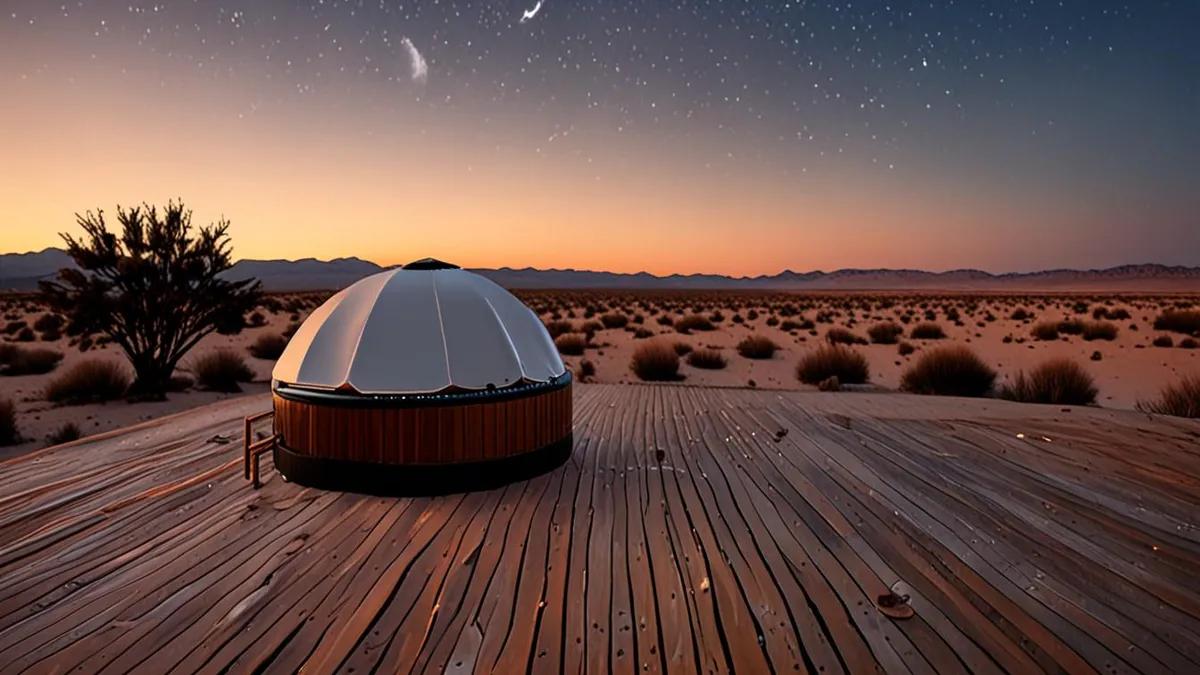
Not every region peaks in summer. Desert and warm-climate destinations do the opposite — their high season falls in winter, when temperatures are comfortable instead of scorching. A stay like a desert resort in Ras Al Khaimah is priced for the cooler months, so traveling there in July often means better rates. Mountain sites work the reverse way, charging their highest prices in summer when hiking trails are open.
Location within a region matters too. Properties within easy reach of national parks or right on a coastline reliably command a premium over similar setups an hour inland. If your budget is tight, look at sites just outside the famous park gate — you can often drive in for the day and sleep for less.
How to Book Glamping for the Best Value
Glamping prices swing more than most travelers expect, and two people can pay very different amounts for the same tent in the same month. The difference usually comes down to timing, booking habits, and how carefully you read what each rate actually covers. A little planning goes a long way, and most of it comes down to when you book and where you look. Follow these steps to keep the bill reasonable.
- Book early for peak season. For summer stays in Europe and North America, reserve 2–4 months ahead. The best units at popular sites sell out first, and last-minute availability tends to be the priciest leftovers.
- Relax the timeline in shoulder season. In May or September, booking 3–4 weeks ahead is usually enough. Sites have open inventory and sometimes quietly discount units that are still empty.
- Compare platforms against direct rates. Check the listing on booking platforms, then visit the glamping site’s own website. Operators sometimes offer lower direct rates, extra perks, or flexible cancellation that platforms don’t show.
- Read the fine print before comparing prices. One site may quote a rate with breakfast, bedding, and a private bathroom included, while another quotes less but adds cleaning fees and requires a two- or three-night minimum stay. Add up the real total for your dates and group size.
- Go midweek when you can. At many properties, a Tuesday or Wednesday night costs less than the same unit on a Friday or Saturday. If your schedule allows, this is free savings.
None of these steps takes more than a few minutes, and stacking them — early booking, direct rates, and a midweek arrival — can easily trim a meaningful chunk off a trip. It also pays to set a price alert or check a favorite site a few times before committing, since rates for the same unit can shift between the moment you browse and the moment you book. The key is comparing total costs, not headline nightly numbers.
When Glamping Cost Is Worth It
Whether glamping is worth the money depends on what you’d otherwise spend and what you actually want from the trip. For many couples, the answer is a clear yes. You get a real bed, a heated or shaded space, and a front-row seat to nature — without buying a tent, sleeping bags, coolers, or spending an afternoon pitching everything in the rain.
Compare it to the alternative
The fairest comparison isn’t glamping versus a basic campsite; it’s glamping versus a hotel plus the activities you’d book around it. A hotel room near a national park often costs more than a safari tent, and then you pay separately for kayaking, horseback riding, or a guided walk. Many glamping sites bundle those experiences on-site, so one nightly rate can cover what would otherwise be two or three separate bookings.
Where the value is strongest
The sweet spot is a shoulder-season stay at a mid-range site with a private bathroom. You get the comfort that makes glamping worthwhile without the luxury-tier price tag, and May or September rates are noticeably kinder than peak summer, when rates can climb 30–50% in Europe and North America. Budget sites are fine for a one- or two-night experiment, but shared washrooms start to erode the “comfort” part of the deal. If a hot tub or private chef pushes the total well past what a nice hotel would cost, that’s usually the point to reconsider.
It also helps to think about what the rate replaces. Bedding, towels, and a bathroom are typically part of the price, so you’re not renting equipment or hauling gear. And because booking 2–4 months ahead secures the best availability and rates, planning early stretches your budget further. If the experience matters more than the thread count, the value case for glamping is easy to make.
The Bottom Line on Glamping Prices
So, what does glamping actually cost? The short answer: anywhere from roughly $80 to $1,000+ per night, depending on the tier you choose and when you travel. A simple tent or yurt with shared facilities sits at the low end, while a luxury lodge with an en-suite bathroom and a wood-burning stove can climb well past $400. Season matters too, with peak summer rates often running noticeably higher than the same setup in quieter months.
The good news is that most rates already cover the essentials: bedding, towels, and either a private or shared bathroom, with breakfast or a kitchen at many mid-range and upscale sites. Extras like hot tubs, private chefs, and guided activities are usually billed separately. If you want the best value, book early and aim for shoulder season. Have you tried glamping, or are you planning your first trip? Share your thoughts or questions in the comments below.