Scroll through any booking site and the labels start to blur. A mountain cabin is called a resort, a city tower is called a lodge, and a beachfront hotel promises everything a resort does. The lodge vs hotel vs resort question matters more than most travelers realize, because each stay type is built around a completely different kind of trip.
Choosing wrong can mean paying for bundled meals you never eat, or arriving at a remote lodge with no way to fill four unplanned days. This guide breaks down what actually defines each stay type, when a lodge, hotel or resort is the smarter pick, how their real costs compare once meals and activities are counted, and how to match your choice to your destination and the season you travel. A quick recap at the end pulls it all together so you can book with confidence.
What Defines a Lodge, a Hotel and a Resort?
The fastest way to cut through confusing listing labels is to look at what each property type is actually built around. A lodge is anchored to nature, a hotel to a city or transit hub, and a resort to itself. Once you see that logic, the right choice for your trip becomes obvious.
The lodge: nature first
A lodge is a small, nature-anchored property, often remote, with roughly 10 to 40 rooms. The surrounding landscape is the whole point: lodges sit beside safari plains, inside rainforests or at the foot of glaciers, and their design, dining and daily schedule all revolve around that setting. Because they are small and far from towns, meals and guided activities are usually part of the stay rather than optional extras.
The hotel and the resort
A hotel is an urban or transit-oriented stay with standardised rooms and on-demand dining, but no bundled activities. You check in, sleep, eat when you choose and head out to explore; the property is a base, not the destination. A resort is the opposite extreme: a self-contained property where pools, beaches, restaurants, spas and entertainment mean guests rarely need to leave. Everything you might want on holiday is inside the gates, which is exactly why resorts charge for it all upfront.
When a Lodge Is the Right Choice
Choose a lodge when the destination itself is the draw. If you are heading out for safari plains, a rainforest, glaciers or the trails of Patagonia, the wilderness is the reason you booked the flight, and a lodge puts you inside it. City hotels are often hours from the wildlife and trailheads, while resorts are built for staying put rather than heading out at dawn.
What lodge pricing includes
Expect all-inclusive pricing of $150 to $1,500+ per night depending on remoteness and comfort level, with meals, guides and activities bundled in. That nightly rate usually covers your game drives or guided hikes, full board and often transfers within the property, so there is little to pay once you arrive. Compare that to a hotel where every tour and dinner is a separate expense.
How long to stay and when to book
Plan for 2 to 4 night stays, since most safari and wilderness lodges are built around short, activity-packed itineraries. Longer stays are possible, but the daily schedule rarely changes much after a few nights. Because lodges are small, rooms vanish quickly: remote lodges usually require booking 6 to 12 months ahead for high season, especially December to March and June to September in alpine regions. If you have specific dates, treat the booking like a flight, not an afterthought.
When a Hotel Fits Your Trip Best
Pick a hotel for city breaks, business travel or road trips where you sleep out and explore all day. When your days are filled with museums, meetings or miles of highway, you need a comfortable bed and a hot shower, not a schedule of bundled activities you will never have time for. City hotels commonly run $80 to $400 per night in most destinations, with flexible nightly booking and no minimum stay, so you can move on whenever you are ready. That flexibility also makes hotels the easiest option for multi-stop itineraries, since you can book each night as you go rather than committing to a week upfront.
Hotels suit travelers who want freedom to eat out and change plans daily without penalty. There is no package to feel obligated to use, and no meal plan dictating where you eat dinner. If a food festival, a friend’s recommendation or a rainy forecast changes your plans, you simply adjust. When comparing options, prioritize these practical features over bundled packages:
- Walkable location: staying within walking distance of restaurants, sights and transit saves taxi fares and lets you pop back to your room midday instead of planning around one long outing.
- 24-hour check-in and front desk: late flights, delayed trains and early departures are far less stressful when someone can hand you a key at any hour.
- On-demand dining: a restaurant, room service or even a 24-hour café means you can eat at 10 p.m. after a late arrival, something remote lodges rarely offer.
- Flexible cancellation: nightly rates with no minimum stay let you extend a city you love or cut short one you don’t, without losing prepaid package money.
When a Resort Delivers the Most Value
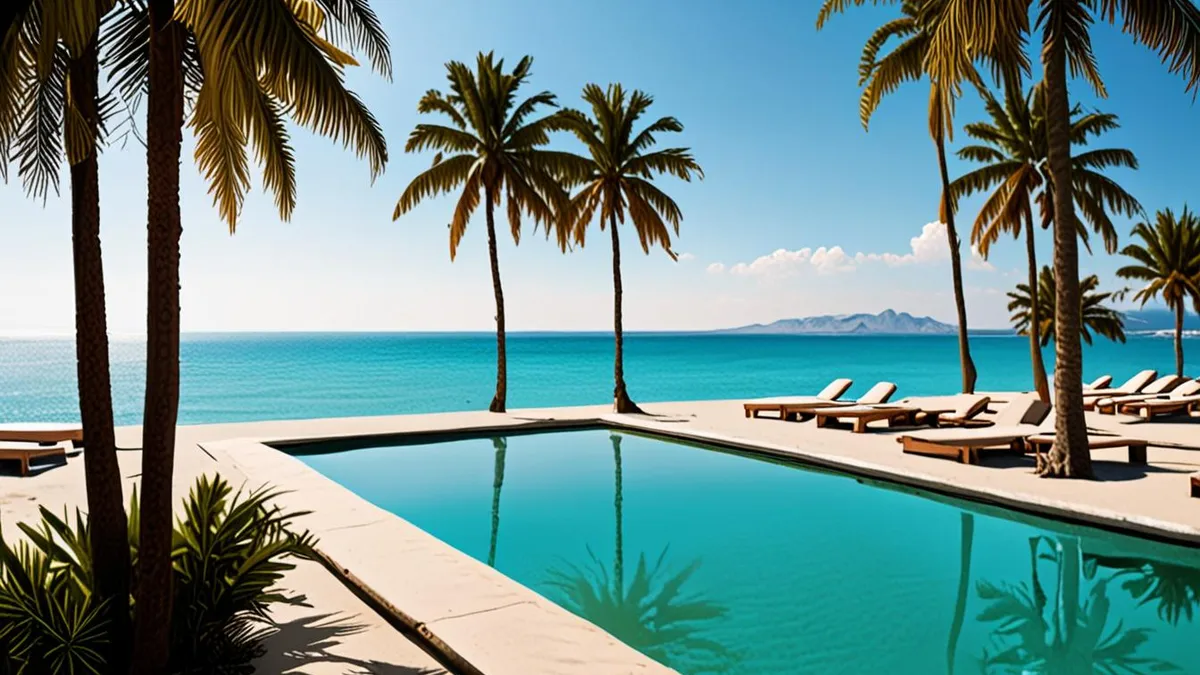
If your idea of a good holiday involves unpacking once and staying put, a resort is built for you. Beach holidays, honeymoons and family trips where the property itself is the destination all work beautifully here. You wake up, walk a few steps to breakfast, then decide between the pool, the spa or the water sports desk without ever getting in a car.
All-inclusive rates typically run $200 to $800 per person per night, and that figure usually covers meals, drinks and a long list of activities. Snorkeling gear, evening entertainment, kids’ clubs and fitness classes are often part of the deal. Before you book, check exactly what is included, because some properties bundle everything while others charge separately for premium dining or diving trips.
Why location logistics disappear
Resorts typically sit within 0 to 10 minutes of a beach or pool complex, which sounds like a small detail until you travel with children. No shuttle schedules, no packed lunches, no hunting for parking. Everything you need is on site, and daily decision-making shrinks to a pleasant minimum. For a look at how secluded this can feel, see a private island beachfront in the Philippines.
The math also favors longer stays. A resort’s higher nightly rate is easiest to justify on trips of 5 to 7 nights, when the bundled dining and entertainment have time to offset the premium. On a two-night getaway, you may pay for far more than you use; on a full week, the package often comes out ahead.
Comparing Cost, Dining and Activities Across Stay Types
On paper, the three stay types can look surprisingly similar, and that is exactly where many travelers get tripped up. A lodge, a hotel and a resort can all advertise nightly rates that fall into overlapping territory, which makes a side-by-side price comparison feel like a fair fight. It rarely is. The number you see on the booking page is only the starting point, and what sits behind that number varies enormously from one stay type to the next.
What your rate actually buys
Lodges usually bundle guided activities and full board into one price, so your game drives, hikes and three meals are already paid for before you arrive. Hotels include almost nothing beyond the room, which is precisely what makes them flexible. Resorts sit somewhere in between but lean generous: food, drinks and entertainment are typically rolled into the rate, even if spa treatments and off-site excursions cost extra.
This is why the smarter calculation is total trip cost, not nightly rate. Take a lodge at $300 per night with all meals and guided activities included, and set it against a hotel at half that rate. Then add what you would realistically spend at the hotel each day: restaurant meals, drinks, taxis and paid tours. Those extras can easily double your daily spend, meaning the “cheaper” option quietly costs more while giving you less structure. Run this math before booking anywhere, and the best value stay type usually reveals itself quickly.
Matching the Stay Type to Your Destination and Season
The fastest way to choose between a lodge, a hotel and a resort is to look at where you are going. Wilderness and safari destinations almost demand a lodge, because guides, meals and remote locations need to be bundled together for the trip to function. Cities call for hotels, where walkable locations and flexible nightly booking match the way you actually spend a city day. Islands and coastlines favor resorts, where the property’s pools, beach and dining become the holiday itself.
Season matters just as much as destination. Time alpine lodge trips to December to March or June to September, when trails and facilities are at their best. Tropical resorts shine in dry season months, when rain rarely interrupts beach days. And before you commit to any remote property, check the access logistics carefully. Remote lodges may require light-aircraft transfers or boat rides that add half a day of travel each way, which affects both your schedule and your budget.
Practical checks before you book
- Transfer schedules: some light-aircraft and boat connections to remote lodges run only once or twice a day, so a missed link can cost you a full night.
- Luggage limits: small bush planes often cap bags at soft-sided luggage with strict weight limits, which changes how you pack.
- Arrival day planning: if the journey eats half a day, treat your first afternoon as a write-off and plan your main activities from day two onward.
- Return connections: build buffer time before any onward flight, since weather can delay transfers to and from remote airstrips and docks.
Lodge vs Hotel vs Resort: The Quick Recap
The answer comes down to one question: what is your trip actually about? If the destination itself is the draw—safari plains, rainforest, alpine trails—a lodge is hard to beat, with meals, guides and activities bundled into one rate and stays typically running 2 to 4 nights. If you are exploring a city and just need a comfortable base, a hotel wins on flexibility, with nightly rates around $80 to $400 and no strings attached.
If the point of the holiday is the property itself—beach, pool, dining and entertainment all in one place—a resort delivers, usually at $200 to $800 per person per night and best value on longer stays. In short: destination-focused trips favor lodges, city-centered trips favor hotels, and property-centered holidays favor resorts. Which stay type fits your next trip? Tell us in the comments or share this article with a fellow traveler.