The Scottish Highlands are huge, and they are wildly different from glen to glen. Pick the wrong base and you can easily lose two or three hours a day to driving instead of walking, whisky tasting or simply sitting by the water with a coffee. That is why the choice of where to stay matters more here than in almost any other part of Britain.
This guide compares the four main lodge areas: Loch Ness and Inverness for convenience, the Cairngorms for year-round activities, Fort William and the west for big mountain scenery, and Skye and the northwest coast for remoteness. We also look at when to book Scottish Highlands lodges, what you can expect to pay, and how to match a base to your trip style. By the end, you should know exactly which corner of the Highlands fits the holiday you have in mind.
Loch Ness and Inverness: The Convenient Base
If this is your first trip to the Highlands, Loch Ness and Inverness is the easiest place to get right. Inverness is the main gateway to the region, with its own airport and good road links, so you can land, pick up a rental car and be unpacked at your lodge in well under an hour. Everything else on your itinerary sits within a short drive too.
Loch Ness lies about 20-30 minutes south of the city, which means lodges along or near the lochside give you waterside scenery without cutting yourself off from restaurants, supermarkets and fuel. You can base yourself near Drumnadrochit or Fort Augustus and still pop into Inverness for dinner or supplies. Day trips to Culloden, Cawdor Castle or the Black Isle are all short and simple from here.
The trade-off: crowds and convenience
The downside is that this is the busiest and least remote corner of the Highlands. In summer, tour buses line up at Urquhart Castle and the main lochside viewpoints can feel busy by mid-morning. You will not find the wild isolation of the northwest coast here, but for short drives, easy logistics and a gentle introduction to the region, Loch Ness and Inverness is hard to beat.
The Cairngorms: Forest Lodges and Year-Round Activities
For active travelers, the Cairngorms are the strongest all-round base in the Highlands. Aviemore and the Spey Valley sit at the heart of the UK’s largest national park, which covers 4,528 sq km, and the area packs an unusual range of activities into one region. In summer you have mountain biking trails, hillwalking, watersports on Loch Morlich and the Speyside whisky trail, where several well-known distilleries sit within a short drive of each other.
In winter the same area switches gears. The Cairngorm mountains offer snowsports, and the lower glens still work beautifully for crisp walks and fireside evenings. That dual personality is the key advantage: unlike more exposed west coast areas, the Cairngorms work well in both summer and winter, so you can plan a lodge trip here in almost any season and find plenty to do.
The widest choice of lodge stays
Because the national park is so large and so well developed for tourism, it also offers the widest choice of lodge and cabin stays in the Highlands. Around Aviemore alone you will find everything from small woodland cabins to larger lodges with hot tubs, and the Spey villages towards Grantown and Boat of Garten add quieter options. Inverness airport is roughly 40 minutes away, so arrival day is easy too. If your ideal Highland day involves boots, bikes or a dram at the end of it, this is your area.
Fort William and the West: Big Mountains, Big Weather
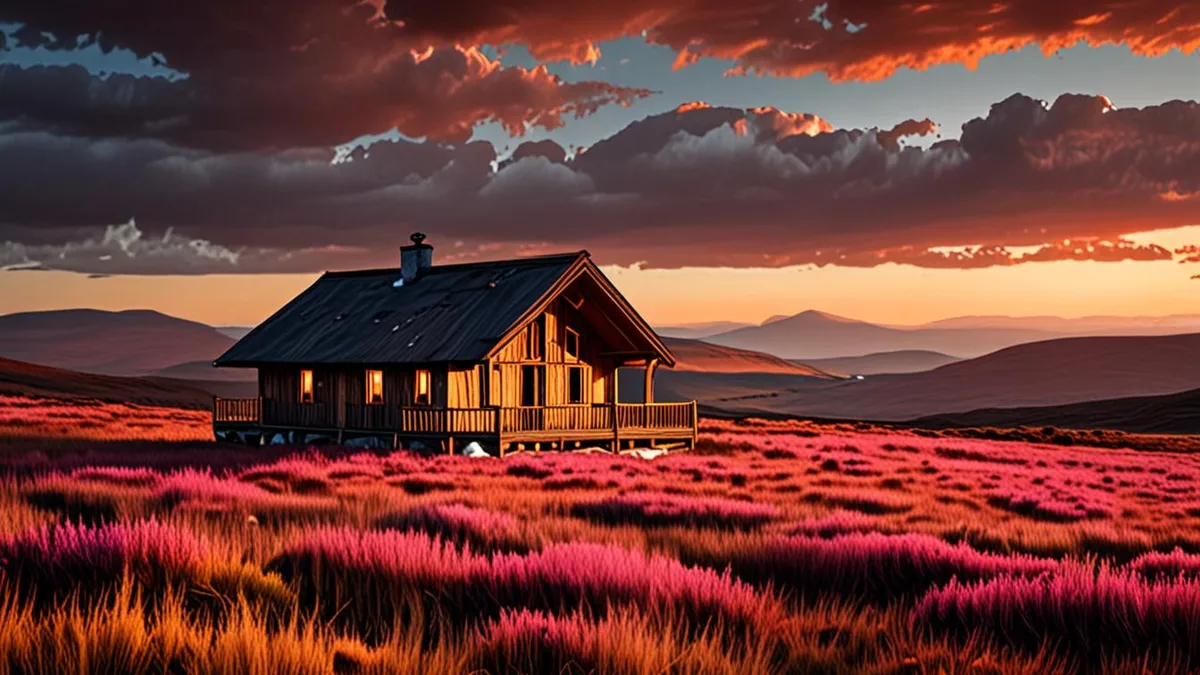
Fort William and the surrounding west Highlands deliver the scenery most people picture when they imagine Scotland: brooding peaks, steep glens and roads that hug lochside cliffs. This is the base for Ben Nevis, the UK’s highest mountain, which rises directly above the town, and for Glen Coe to the south, one of the most dramatic glens in the country. Head west from Fort William and you are on the Road to the Isles, the scenic route towards Mallaig and the silver-sand beaches around Morar.
The practical catch is distance. Fort William sits about 2.5 hours’ drive from Inverness, so it does not work as a day-trip base if you are also staying near the city. The smarter plan is to pair the two: a few nights around Loch Ness or Inverness, then a few nights here, rather than commuting daily across half the Highlands.
Pack for the weather, then pack again
The landscape here is dramatic partly because the weather is. Rainfall in this part of the west coast is among the highest in Britain, and mist can swallow a view as quickly as it revealed it. That is not a reason to skip the area, but it is a reason to pack proper waterproofs, quick-drying layers and a flexible itinerary. On the days the clouds lift, the mountains, glens and lochs here are worth every shower you sat through.
Skye and the Northwest Coast: Remote and In Demand
Isle of Skye delivers the Highlands’ most photographed scenery: the Old Man of Storr, the Quiraing, fairy pools and sea cliffs that look unreal even in flat light. It also delivers the Highlands’ hardest bookings. Lodge rates here run higher than anywhere else in the region, and summer availability is the tightest of any area covered in this guide. For a June to August stay, many travelers find they need to reserve nine or more months ahead, sometimes earlier for larger properties.
The drive from Inverness to Skye typically takes 2.5 to 3 hours, and that is before you add stops at Eilean Donan Castle or the lochs along the way. Because the island sits at the end of that journey, it makes little sense to visit for a single night. Plan at least three or four nights so the travel time pays for itself. The Skye bridge connects the island to the mainland, so no ferry is required, though ferry options exist if you want a loop route.
Who this area suits best
Skye rewards scenery-focused travelers: photographers, hikers and anyone happy to drive slowly and stop often. Accept two realities before booking. Weather changes fast, and a blue-sky morning can turn to horizontal rain by lunch. Many roads on the island and across the northwest coast are single-track with passing places, so journeys take longer than the map suggests. If you want restaurants and shops on tap, you may find options thin outside Portree. If you want landscapes you will remember for years, nothing else in the Highlands competes.
When to Book Scottish Highlands Lodges and What They Cost
Highland lodges follow a simple booking rhythm, and understanding it early makes a real difference to both your choice of property and your budget. For June, July and August stays, reserve six to nine months ahead; the best waterside and mountain-view properties are often gone before spring, especially the smaller ones that sleep only two or four guests. If you can travel in May or September instead, you get a quieter experience with 10 to 14 hours of daylight, and booking two to three months ahead is usually enough to find good availability at the lodges that matter to you.
Prices vary by tier and season. Mid-range lodges typically run £150-£300 per night, while luxury properties start around £400 and can reach £900 or more at the top end. Rates peak in summer and drop noticeably in the shoulder months, so shifting your dates by a few weeks can save a meaningful amount without changing what you actually see or do.
- Check winter opening before you commit. Some lodges close entirely from November to March, when December daylight lasts only 7-8 hours and many rural properties scale back operations.
- Ask what the rate includes. Some lodges include firewood, kayaks or hot tub use; others charge separately, which can add up over a week-long stay.
- Look at minimum-stay rules. Popular summer lodges often require three or seven-night bookings in peak season, which affects how you plan a multi-area trip.
- Confirm deposit and cancellation terms. Remote lodges frequently ask for larger deposits upfront, so know the policy before paying.
How to Choose Your Highland Base
Choosing a Highland base comes down to matching the area to your trip style rather than trying to see everything. The Highlands look compact on a map, but mountain roads, single-track sections and photo stops make distances feel far longer than the mileage suggests. A short, honest planning process saves you from spending your whole holiday behind the wheel instead of out walking, tasting or relaxing by the water.
- Decide what kind of trip you want. Convenience points to Loch Ness and Inverness, activities to the Cairngorms, dramatic mountain scenery to Fort William, and remoteness to Skye. Pick one priority before you open a single lodge listing, because every other decision follows from it.
- Count real driving time, not map mileage. A route that looks short on paper can take twice as long on winding roads. If you plan two bases in one week, add the transfer times together and check honestly what is left for actually enjoying each area.
- Match lodge facilities to the location. In remote areas, restaurant and shop options can be thin, so a self-catering kitchen or an on-site restaurant matters far more than it would near Inverness or Aviemore. Check whether the lodge has laundry, wifi and parking too.
- Book on the right timeline. Summer stays need six to nine months of lead time; May and September trips can usually be arranged two to three months out. Shoulder season also brings quieter roads and 10-14 hours of daylight.
Work through these steps in order and one or two areas will clearly fit your plans. The rest, however beautiful, can wait for a return trip, and knowing you have a reason to come back is half the pleasure of planning.
Finding Your Highland Home Base
So, where should you stay in the Scottish Highlands? It comes down to what you want most from your trip. Loch Ness trades remoteness for ease, the Cairngorms trade open drama for activities, Fort William and the west trade convenience for big-mountain scenery, and Skye trades accessibility for the wildest, most in-demand landscapes of all. Match your base to your trip style, and the Highlands’ long distances shrink into short, scenic hops instead of hours lost behind the wheel.
Whichever area you settle on, remember that summer lodges go fast. Booking 6-9 months ahead secures your pick, with mid-range lodges typically running £150-£300 per night and luxury properties £400-£900+. Choose well, and your lodge becomes more than a bed for the night — it becomes the reason the trip works. If this helped you plan, leave a comment or share the article with a fellow traveler.