Trying to choose a safari lodge can feel overwhelming before you even pack a bag. Rates swing from simple tents at around $150 per person per night to camps that top $2,000 a night, and the difference is not just thread count. Pick the wrong lodge and you could miss the migration, get hit with surprise costs, or spend your drives stuck in a crowded vehicle watching the bush through someone else’s shoulder.
This guide breaks the decision into clear steps. We will help you set a realistic budget before you browse, pick the season that matches the wildlife you want to see, and match a lodge’s location to your game-drive priorities. You will also learn what a typical day at a lodge actually looks like, how tented camps, luxury lodges and mobile camps differ, and which questions to ask before paying a deposit. By the end, you will be able to compare rates that look similar on paper but deliver very different experiences on the ground.
Set Your Safari Budget Before You Browse Lodges
The fastest way to narrow your search is to decide what you can actually spend per night, per person, before a single lodge photo tempts you. Safari pricing is usually quoted this way, and the market splits neatly into three bands. Knowing your band early saves hours of browsing camps you were never going to book.
The three price bands
Budget lodges start around $150-250 per person per night. At this level you usually get a comfortable room or tent and shared game drives, but meals, drinks and park fees are often billed separately, so the sticker price is only part of the story.
Mid-range lodges typically cost $300-600 per person per night and are genuinely close to all-inclusive. This band usually covers meals, drinks and two daily game drives, which makes comparing rates much easier because there are fewer surprises at checkout.
Ultra-luxury camps run $1,000-2,500+ per person per night. What you are paying for is exclusivity and ease: private guides, private vehicles and fly-in light aircraft transfers that skip long road journeys and put you closer to remote wildlife areas.
What might not be included
Whatever the band, ask directly whether park fees, drinks, laundry and flights are included in the rate. If these are billed separately, they can add $50-150 per day to your costs, which is enough to push a “budget” lodge into mid-range territory. Get the inclusions in writing before you pay a deposit, and ask whether premium drinks, gratuities and internal flights sit inside or outside the quoted price.
Pick the Right Season for the Wildlife You Want
Wildlife viewing changes dramatically with the seasons, so the best time to book depends on what you want to see. In East Africa, the dry season runs from June to October and offers the best wildlife viewing of the year. Water becomes scarce, animals gather at rivers and waterholes, and thinning vegetation makes game easier to spot from the vehicle.
If the Great Migration is your priority, timing matters even more. River crossings in the Masai Mara and northern Serengeti peak from July to September, when enormous herds brave crocodile-filled waters. These weeks are the most sought-after on the safari calendar, and the camps positioned near crossing points sell out first.
The green season, from November to March, is the value play. Rates are often 30-40% lower, the landscape turns lush and photogenic, and birding is at its prime as migratory species arrive. The trade-off is thicker bush, which makes spotting animals harder, and afternoon rain that can interrupt drives.
- Green season means newborn animals. Many antelope and predator species time their births to the rains, so November to March is excellent for seeing young calves and cubs alongside increased predator activity.
- Shoulder months can be a sweet spot. The weeks just before or after peak season often combine decent game viewing with lower rates and quieter camps, especially in the Masai Mara.
- Check each country’s own rhythm. Southern Africa’s dry season runs roughly May to October, so the best months for Botswana or South Africa differ from Kenya or Tanzania despite being on the same continent.
Match the Lodge Location to Your Game-Drive Priorities
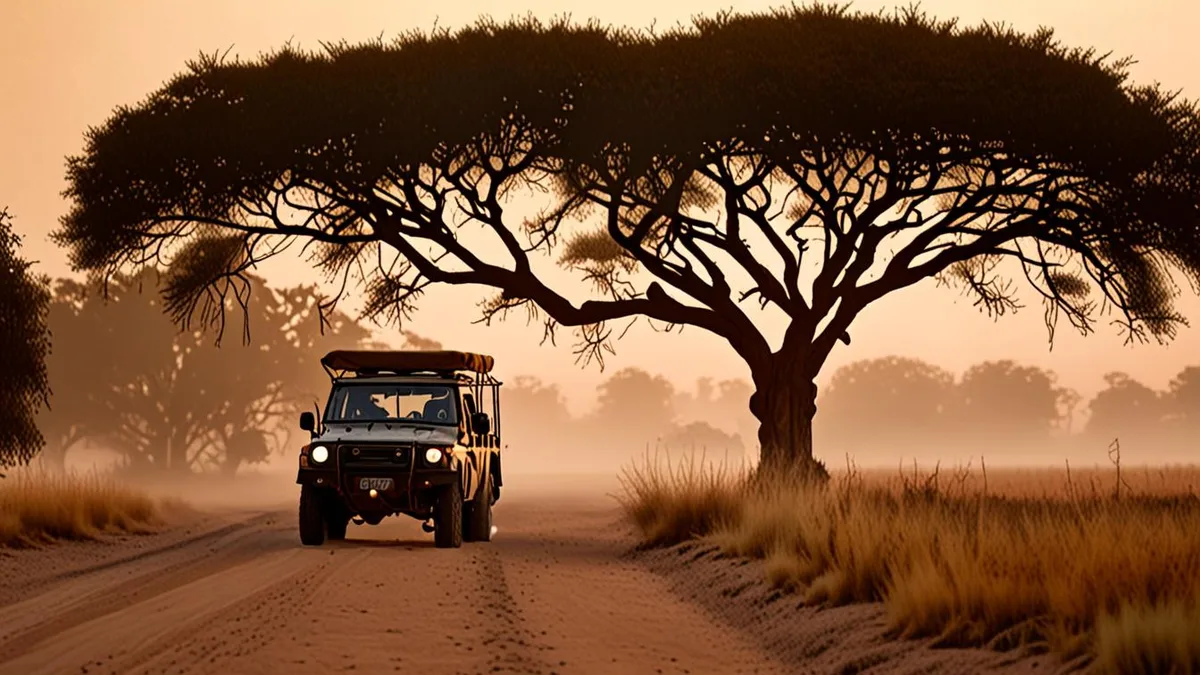
Two lodges can sit ten minutes apart and offer completely different safari experiences, because what matters most is not the address but the rules that come with it. Lodges inside private concessions can drive off-road to follow a leopard into the thicket and can run night drives after dark, when predators are most active. Lodges inside national parks must stay on designated roads and usually return to camp by sunset, so sightings follow a stricter script.
Water is the other location factor that shapes your days. A lodge positioned near a river or a permanent waterhole means wildlife comes to you between drives — elephants drinking at midday, antelope at dawn — and you can watch it all from the deck with a coffee in hand.
Distance and access
Check how far the lodge sits from the park gate. Lodges outside a reserve can lose 30-60 minutes each way on every drive, which adds up to hours of transit across a multi-day stay that you spend on a road instead of watching animals. Camps inside the concession start game viewing the moment they leave the carport.
Finally, think about fences. Fence-free lodges in unfenced reserves deliver wilder, closer encounters with wildlife, but they come with stricter camp safety rules — you will typically be escorted to your tent after dark and asked to stay in your room at night. A camp like Zarafa Camp in Botswana shows how rewarding this deep-in-the-concession style of safari can be. If you travel with young children, weigh that trade-off carefully before booking.
Understand What a Day at a Safari Lodge Looks Like
A day at a safari lodge follows a rhythm that surprises many first-time visitors. The whole schedule is built around animal behavior, which means your alarm will ring before sunrise and your evenings will end earlier than you might expect. Predators hunt in the cool hours, so the best game viewing happens when most people are still asleep. Knowing the routine in advance helps you pick a lodge whose pace actually suits you, and it makes comparing rates easier, since that daily rhythm is what you are really paying for.
- Dawn game drive. Most lodges include two game drives daily in the rate. The first leaves at dawn, typically around 5:30-6:00 am, when predators are still active and the light is soft and golden. You’ll usually get a gentle wake-up knock at your tent and a tray of coffee or tea before heading out.
- Midday downtime. After the morning drive, brunch is served and the middle of the day is yours. This is pool time, siesta time, and — where offered — the slot for guided bush walks or visits to hides overlooking a waterhole.
- Afternoon drive. The second drive heads out in the late afternoon, often with a sundowner stop at a scenic spot, and returns after dark using a spotlight where the reserve allows night driving.
- Early dinner and lights out. Dinners are early, often communal, and generators or solar power often cut off around 10 pm. If you need to charge cameras and devices, do it before bed.
The rhythm is intense but rewarding, and it leaves little room for laziness — which is exactly the point. If you crave a slower pace, remember that safari lodges are about the bush, not the facilities. For a trip where the lodge itself is the main event, consider a different style of escape, such as unwinding on private shores at Amanera in the Dominican Republic.
Compare Lodge Styles: Tented Camps, Luxury Lodges and Mobile Camps
Safari accommodation comes in three broad styles, and the difference is bigger than the price tag. The style you choose shapes how close you feel to the bush, how much comfort you trade away, and even how your days are structured. None of them is objectively better — the right choice depends on what you want from your nights between game drives.
Canvas and brick behave very differently in the wild. A tent lets you hear lions calling at midnight and hippos grunting at dawn; a solid wall muffles all of that. Think honestly about how much immersion you want before you book, because a sealed, air-conditioned room and a thin canvas wall are two very different kinds of safari night.
- Permanent tented camps blend real beds, en-suite bathrooms and solid flooring with canvas walls, so you fall asleep to the genuine sounds and smells of the bush rather than a sealed room.
- Brick-and-thatch luxury lodges suit travelers who want spas, plunge pools, air conditioning and reliable climate control — a good fit if you’re combining safari with a honeymoon or a milestone trip.
- Mobile camps move with the migration, pitching semi-permanent tents in the best locations each season, and they offer the closest-to-nature experience at mid-range prices.
- Family-run camps often deliver better guiding continuity than large hotel-group properties, because the same hosts and trackers stay with the camp for years and know every waterhole by name.
Practical comfort matters too. Canvas camps usually run on solar power or generators with limited hours, and Wi-Fi, where it exists at all, tends to be slow and confined to the main area. Ask ahead if you need to work remotely or stay connected with family.
If you can, mix styles across a single trip — a few nights in a tented camp followed by a luxury lodge gives you both perspectives. Many travelers find the tented experience becomes the highlight, even when it wasn’t the most comfortable option on the itinerary. Book the tented nights first, since smaller camps have fewer tents and fill fastest.
Book at the Right Time and Ask the Right Questions
Safari lodges are small, and the best ones sell out long before travelers expect. A camp with eight tents can be fully booked for peak season almost a year ahead, so timing your reservation matters as much as choosing the lodge itself.
When to reserve
For the dry season, and especially for camps positioned along the Great Migration’s river-crossing route during its peak months, book 9-12 months ahead. These properties sell out first, and by the time you start browsing, the best tents and guides are often already committed. Green season stays are far more flexible: booking 3-6 months out usually leaves room to negotiate on rates, upgrades or added nights.
Questions to ask before you pay a deposit
Before committing, ask who your guides will be and how experienced they are, since a great guide transforms an average drive. Confirm the age and condition of the safari vehicles, the maximum number of guests per vehicle, and whether children are welcome or restricted by age limits. These details separate a good camp from a mediocre one at the same price.
Finally, get the cancellation terms in writing. Safari deposits are often 20-30% of the total and typically become non-refundable within 60-90 days of travel. If your plans might shift, ask about date changes rather than refunds — many camps are more flexible about moving a booking than canceling one. A few direct questions now can save you both money and disappointment later.
Choosing Your Safari Lodge with Confidence
Choosing a safari lodge stops feeling overwhelming once you break it into four questions: what you can spend, when you travel, where the camp sits in relation to the reserve, and what style of camp suits you. A $150 tented room and a $2,000-a-night luxury camp can sit within a few kilometers of each other, yet deliver completely different experiences for the same wildlife.
Timing matters just as much. Dry season and the migration months reward early planning, while green season trades some game density for serious savings and quieter camps. And because two similarly priced lodges may include very different inclusions, knowing what a typical daily rhythm covers helps you compare rates that look alike but are not. If this guide helped you plan your trip, leave a comment or share it with a fellow traveler.