Choosing the best time to visit Patagonia lodges is harder than it sounds. Unlike most destinations, where seasons simply shift the temperature a few degrees, Patagonia transforms completely from month to month. The weather, the crowds, the trail access and even whether your chosen lodge is open at all can change dramatically depending on when you arrive.
This guide walks you through every season, from the long summer days of December and January to the quiet, snow-dusted winter months when many lodges close their doors. You’ll learn why timing matters more here than almost anywhere else, what each season offers trekkers, wildlife watchers and spa seekers, and how far ahead you should book to secure the rates and rooms you want. By the end, you’ll be able to match your travel style, budget and lodge preferences to the right month, and plan a Patagonia stay that actually delivers what you imagined.
Why Timing Matters More in Patagonia Than Anywhere Else
Patagonia doesn’t do subtle seasons. In December, you can get around 17 hours of daylight, enough for a full day on the trail plus a leisurely dinner back at the lodge. By June, that shrinks to under 9 hours, which reshapes every itinerary you might plan. A hike that takes six hours in summer needs careful scheduling in winter, when you have a narrow window of usable light.
The weather swing affects more than your daily schedule. Wind, rain and snow vary enormously by month, and they determine which trails are passable, which excursions lodges can run, and whether you’ll spend your evenings on a terrace or huddled by the fire.
Lodge access changes with the calendar
Here’s the detail many first-time visitors miss: many Patagonia lodges close entirely or run reduced service from May to September. The property you fell in love with online may simply not be open in July. Always confirm opening months with the lodge directly before you build any trip around it.
And the price swings too
The same room in the same lodge can cost nearly double in peak season compared to the shoulder months. That difference alone can fund extra nights, guided excursions or an upgrade, which is why understanding the seasonal calendar pays for itself before you even pack a bag.
Summer (December-February): Peak Season at Patagonia Lodges
Summer, from December to February, is the prime window for trekking-based lodge stays, and it’s easy to see why. Daytime temperatures sit comfortably between 15-20°C, and the long daylight hours give you room for full-day hikes without racing the sunset. Trails around Torres del Paine and El Chaltén are at their most accessible, and lodges run their full program of guided excursions. If trekking the famous circuits is the whole point of your trip, this is your season. For a sense of what a summer lodge stay can look like, hiking through sacred landscapes at Tierra Patagonia shows how well a lodge-based trekking trip works in these months.
Prepare for the wind
Summer also brings the strongest winds of the year, with gusts often exceeding 100 km/h, especially on exposed trails and open plains. Pack layers and a windproof shell, and expect trekking poles to earn their keep. The wind is manageable with the right gear, but it surprises travelers who arrive expecting gentle alpine conditions.
Book early and budget for peak
Because demand is highest in these months, book 9-12 months ahead, particularly if you want a specific lodge or a multi-night package. Peak rates typically run US$500-1,200 per night, and the most sought-after properties fill up first. Trails around Torres del Paine and El Chaltén are also at their busiest from mid-December to late February, so expect company on the popular routes and start your hikes early in the morning.
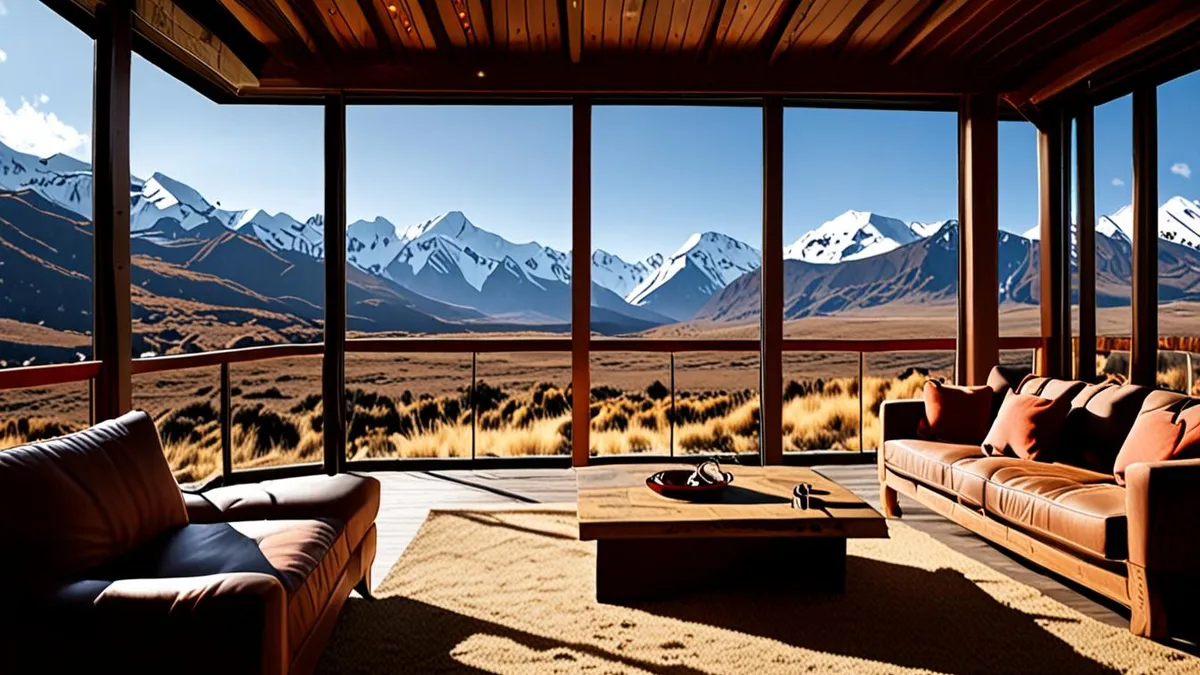
Shoulder Season (October-November and March-April): The Sweet Spot
If you want the Patagonia experience without the peak-season price tag, the shoulder months of October-November and March-April are your best value. Daytime temperatures run a comfortable 8-15°C, crowds thin out noticeably, and lodge rates drop roughly 15-30% below peak. You lose a few daylight hours compared to December, but you gain quieter trails, easier reservations and more breathing room at the lodge itself.
Spring and autumn, each with its own show
October and November bring spring to Patagonia: wildflowers across the steppe, newborn guanacos in the parks, and snow still dusting the granite peaks, which makes for striking photos. March and April flip the script with autumn color, as lenga forests turn gold and red against the mountains. Both windows offer scenery that high summer can’t match.
Planning your shoulder-season stay
Reserve 4-6 months ahead for these months. That’s enough lead time to secure your preferred lodge and room type without the year-out scramble that high season demands. Shoulder rates often fall to US$350-800 per night, a meaningful saving on a multi-night stay that can cover guided excursions or an extra night or two.
One practical tip: check exactly which services your lodge runs in the shoulder months. Most operate fully in October-November and March-April, but a few wind down excursions or close facilities at the edges of these windows, so it’s worth confirming the details when you book.
Winter (May-September): Quiet Lodges and Short Days
Winter in Patagonia is a different rhythm entirely. Daylight drops to under 9 hours, which means your hiking window shrinks dramatically. This is the season for travelers who value fireplace evenings, slow mornings with coffee, and photography over ambitious multi-day treks. If your ideal lodge day involves reading by the fire, soaking in a hot tub, and stepping outside for a few golden hours, winter delivers.
The practical reality is that many lodges close or run reduced services from May through September. Some operate with fewer rooms, limited dining options, or scaled-back excursion programs. Before you fall in love with a property online, contact the lodge directly and confirm exactly which months it opens and what services run during your dates. This one phone call or email can save you from booking flights around a lodge that is shuttered.
What winter rewards you with
For those who accept limited trail access, winter offers something summer never can: snow-capped peaks reflected in calm, clear mornings, and a sense of solitude that is nearly impossible to find in high season. The light is soft and low, ideal for landscape photographers. Trails near the main hubs may be icy or closed, but open winter lodges typically adjust their excursion offerings to match conditions, and many discount their rates to attract guests during the quiet months. Ask about current pricing when you inquire, since winter deals vary by property and year.
Matching the Season to Your Lodge Style
Matching your lodge to the right month starts with an honest look at how you like to travel. A trekker and a spa-seeker should not book the same dates, and neither should a wildlife photographer and a couple hunting for a remote hideaway. Here is how to align the season with your style of stay.
Lodges built around hiking and guided excursions perform at their best from December through February, when long daylight and full trail access make every itinerary possible. Wellness and scenery-oriented properties, the kind with spas, saunas, and gentle outings, shine in the shoulder months of October-November and March-April, when rates drop and the landscapes put on a show of wildflowers or autumn color.
- Remote, experience-led lodges pair beautifully with winter’s quiet, when a small guest roster turns shared dinners and fireside conversation into the heart of the experience.
- Wildlife watchers should favor November and March, when visitor numbers dip but animals remain active, from newborn guanacos in spring to foraging foxes and condors in early autumn.
- Photography-focused travelers gain from the low, soft light of shoulder and winter months, when snow dusts the peaks and popular viewpoints are largely empty.
If you are torn between two styles, consider a split stay: a few nights at a trekking lodge in summer conditions, then a shoulder-season return to a quieter property on a future trip. Patagonia rewards repeat visitors generously.
How to Book: Lead Times and Rate Strategy
Booking a Patagonia lodge is less about finding a deal and more about timing your reservation correctly. The best properties are small, room counts are limited, and demand in the December-to-February peak far outstrips supply. Travelers who wait until spring to book summer dates often find their first-choice lodges full, especially for multi-night packages that include guided excursions, which tend to sell out earliest. A simple sequence will keep you ahead of the crowd.
- Choose your season first. Decide whether you want summer trekking, shoulder-season value, or winter quiet before you look at specific properties, since this determines everything else, from rates to which lodges are even open.
- Book high-season stays as far ahead as possible. Popular lodges near Torres del Paine and El Chaltén release limited inventory, so the earlier you commit, the better your choice of rooms and dates.
- Give shoulder-season bookings 4-6 months of lead time. These dates are easier to secure, and they often unlock nightly rates of US$350-800 versus US$500-1,200 at peak, a meaningful saving over a week-long stay.
- Confirm seasonal opening dates and minimum stays. Many lodges close or reduce services from May to September, and some enforce multi-night minimums in high season, so get these details in writing before paying a deposit.
- Lock in flights only after the lodge confirms. With your dates secured and cancellation terms clarified, you can book airfare with confidence rather than reshaping a trip around an unavailable room.
One final tip: when you inquire, ask the lodge directly about its current rates, opening calendar, and any package inclusions. Details change from year to year, and a short email exchange usually gets you the most accurate picture, sometimes along with unpublished offers for early or shoulder-season bookings. It also gives you a feel for how responsive a property is before you commit money to it, which matters when weather-related itinerary changes are a real possibility in Patagonia.
Choosing Your Moment in Patagonia
Patagonia does not have one best month so much as a best month for you. Summer delivers long days and full access but demands early booking and wind tolerance. Shoulder months balance value, color and calm, while winter rewards solitude seekers with short days and quiet lodges.
The trick is to match your season to your lodge style and your lead time. If you know whether you want big treks, spa afternoons or snowy silence, the right window picks itself. Patagonia rewards you in any month. Tell us in the comments which season you would choose, or share this guide with a fellow traveler.