You’ve picked your dates, you know you want fresh air and starry skies, but one question keeps coming back: should you rough it in a tent or book a luxurious outdoor stay with a real bed? This glamping vs camping dilemma trips up plenty of travelers, and for good reason. The two styles offer completely different experiences, price tags and levels of effort.
This guide breaks down the core differences between the two, compares nightly rates and gear costs, and walks through what a typical day actually looks like in each style. We’ll also cover where each option shines, when to book your dates, and which trip fits your travel personality. By the end, you’ll know exactly whether your next escape calls for a sleeping bag or a safari tent with a private bathroom.
Glamping vs Camping: The Core Differences at a Glance
The simplest way to understand glamping vs camping is to look at what waits for you at the end of the day. Glamping means arriving at a tented suite or cabin that’s already set up for you: a proper bed with real linens, electricity for charging your phone, lighting that works with a switch, and often a private bathroom attached to your unit. You’re essentially staying in a small hotel that happens to sit in the middle of nature.
What traditional camping asks of you
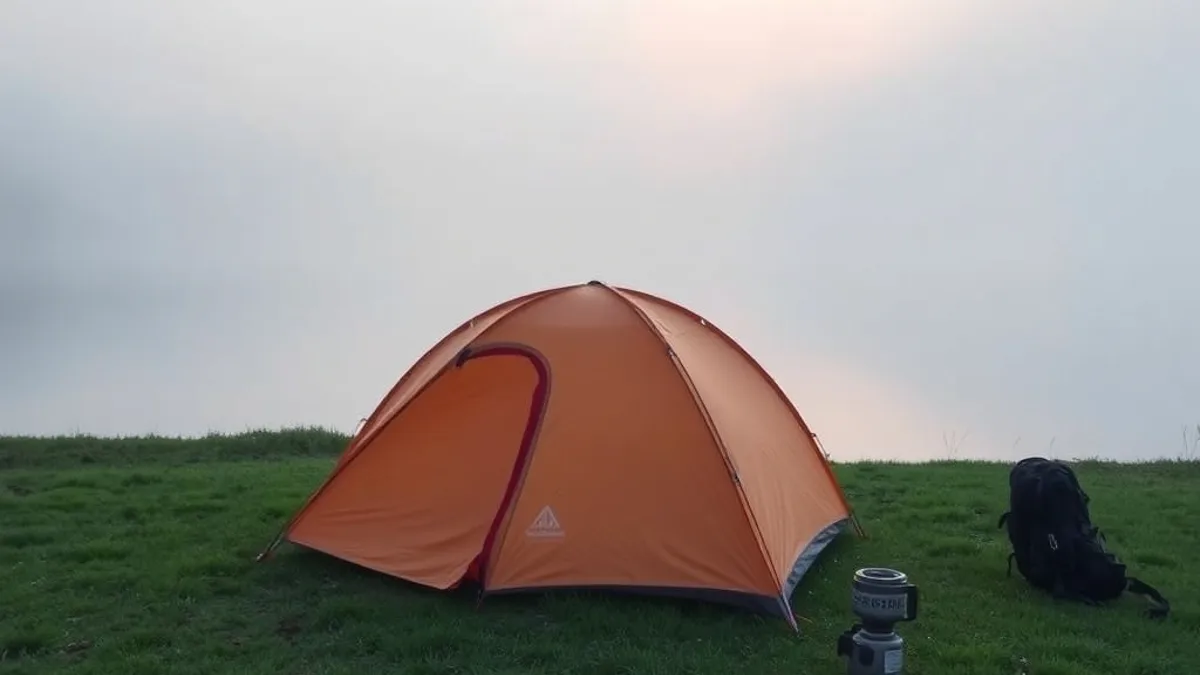
Camping is the opposite approach. You bring and pitch your own shelter, cook on a portable stove over a picnic table, and sleep on the ground in a sleeping bag. Everything from staying warm to making coffee depends on what you packed and what you know how to do.
There’s also a structural difference that many first-timers miss. Glamping is a hosted stay with staff on site, so someone else handles setup, maintenance and often meals. Camping is self-sufficient by design: no one is coming to fix a leaky tent or start your fire. If you love that independence, it’s a feature, not a flaw. If you’d rather spend your energy hiking and relaxing, the hosted model makes more sense.
What Each Style Costs, From Nightly Rates to Gear
The price gap between the two styles is significant, and it goes beyond the nightly rate. Expect to pay $150-$600 per night for a glamping stay, while a basic campsite typically runs $15-$60 per night. On paper, that looks like a massive difference, especially over a week-long trip. But the full picture includes gear, food and what’s actually bundled into your stay, so the honest comparison is total trip cost, not the headline rate.
The biggest hidden factor for camping is the upfront investment. A starter kit with a tent, sleeping bags and a stove runs about $300-$800, money glamping guests never need to spend. If you camp a few times a year, that kit pays for itself within a season or two. If you’re trying the outdoors once, it changes the math considerably, since that gear spend can exceed the cost of several glamping nights.
- Meals and drinks: Many glamping lodges include breakfast or full-board dining, which means no cooler to pack and no groceries to buy before your trip.
- Activities: Guided walks, kayaking or evening programs are often part of a glamping package, while campers usually pay separately for any organized outing.
- Bedding and towels: Glamping rates cover linens and housekeeping; campers need to buy or bring their own sleeping setup every time.
Once you add up what glamping bundles in, the real gap over a full trip narrows more than the nightly rates suggest. Factor in what you’d spend on meals out, activity rentals and gear storage between trips, and the two options sit closer together than expected. Compare total trip costs, not just the price per night, before you book.
Comfort and Experience: What a Day Actually Looks Like
The real test of glamping vs camping is what a day feels like from morning to night. On a glamping trip, you wake up in a real bed, wander over to a served or prepared breakfast, and take a hot shower before deciding how to spend your day. Nothing needs to be assembled, packed away or cleaned before you can relax. Guests at desert properties like the one described in our stay at Al Wadi Desert in Ras Al Khaimah spend their mornings watching oryx from a private deck rather than wrestling with tent poles.
A camper’s morning, hour by hour
Camping mornings start earlier and more hands-on. You light the stove for coffee, put together breakfast, then break down the tent, roll up sleeping bags and reorganize the car before the day begins. It’s work, but many campers find that routine part of the appeal.
That’s the honest trade-off: campers gain skills and self-reliance, from fire-building to cooking outdoors, and there’s genuine pride in running your own camp. Glamping guests gain spa-style relaxation in wild settings, with massages or firepits replacing chores. Group size matters too: glamping units usually sleep 2-4 guests, while family campsites often allow up to 6, so larger groups may find camping the more practical fit.
Where Each Style Shines: Destinations and Stay Types
Match the stay style to the landscape and the season, and your trip gets noticeably better. Desert camps and safari-style tents are built for dry months, when nights are clear, tracks are passable and the star display alone justifies the booking. Rainforest destinations work the other way around: moisture is part of the setting, so elevated structures like treehouses and jungle lodges put you in the canopy while keeping you off the wet ground.
Traditional tent campers have their own sweet spots. Lakeside and forest campgrounds reward the hands-on crowd with the rituals that make camping memorable: a campfire after dinner, a sky full of stars with no light pollution, and the quiet of waking up next to the water. These sites are often the most affordable way to spend a night in beautiful terrain, too.
Glamping also has a weather workaround. If you want wild settings without the wet-season gamble, solid-roof structures change the equation entirely.
- Safari tents in savanna regions pair best with dry-season travel, when wildlife concentrates around water sources and game drives follow reliable dirt roads instead of muddy ones.
- Treehouse and jungle lodges shine in rainforest climates, where rain falls year-round and an elevated, covered structure lets you enjoy the sounds of the forest without the damp. For a vivid example, read about staying in a treehouse lodge above the Peruvian jungle.
- Lakeside campgrounds suit tent campers who want mornings on the water, since many offer swimming, kayaking and fishing steps from your pitch.
- Forest campgrounds favor shaded tent sites in summer heat, though check fire rules before planning your campfire, since restrictions vary by region and season.
- Cabins and geodesic domes extend the glamping season into cooler or wetter months, with insulated walls and real heating that a canvas tent simply cannot match.
How to Book: Timing and Choosing Your Dates
Booking windows differ sharply between the two styles, and it mostly comes down to simple supply and demand. A glamping property might have only a handful of tents, domes or cabins, while a public campground often has dozens of sites to go around. That scarcity means the calendar matters far more on the hosted side, and travelers who wait too long usually pay for it with worse dates or no availability at all.
- Set your dates before you search. Flexibility helps, but knowing your rough travel window lets you act fast when a slot opens, especially for summer weekends.
- Reserve glamping lodges 3-6 months ahead for summer. With only a few units per property, popular lodges sell out fast once summer dates open, and late bookers are usually left choosing weekdays or off-seasons.
- Book popular campsites 1-3 months out. Many national and state park campgrounds release reservable sites on a rolling schedule, so mark the release date and book the day it opens for the best pick of the best sites.
- Keep first-come, first-served sites as a fallback. Some campgrounds hold a share of sites for walk-ups; arrive early in the day, ideally on a weekday, to improve your odds.
- Aim for May to October in temperate regions. This stretch offers the widest choice of both styles, with the most availability, the most open facilities and the most reliable weather for either a tent or a tented suite.
One last habit worth building: whatever the booking platform tells you, confirm directly with the property or park before you pay. Cancellation policies, minimum stays and site details vary widely, and a two-minute phone call or email can save you from an expensive misunderstanding later.
And if your first-choice dates are already gone, don’t give up. Ask about waitlists, because cancellations are common in both worlds as plans shift. A spot that opens up two weeks out can be the best booking you make all summer, provided you’re on the list when it does.
Which Trip Style Fits Your Travel Personality
The easiest way to decide is to picture yourself at 7 a.m. on day two. If the answer is a hot shower, a prepared breakfast and a view you did nothing to earn, glamping is your style. You get the scenery, the night sounds and the sense of being somewhere wild, without a single item on a packing list and without giving up a proper bed or electricity. It suits travelers who treat the outdoors as a backdrop rather than a project.
When camping is the better fit
If, on the other hand, you genuinely enjoy the mechanics of the trip, camping will feel like the point rather than the price. Setting up your shelter, cooking a real meal on a portable stove and keeping nightly costs low are all part of the appeal. Campers tend to come home with new skills and a certain pride that a hosted stay, however lovely, does not quite deliver.
Or mix the two
There is no rule saying you must pick a side. A hybrid trip works beautifully: camp through a multi-day trek or a stretch of nights at a lakeside campground, then finish with a glamping night as a reward. You get the satisfaction of doing it yourself, followed by a hot shower and a real bed while the memories are still fresh. For many travelers, that final night of comfort is what turns a good outdoor trip into a repeat habit.
The Bottom Line for Your Next Outdoor Escape
So which one wins? Glamping trades $150-$600 nightly rates for real beds, hot showers and zero gear to buy or pack. Camping trades that comfort for $15-$60 nights and the quiet satisfaction of setting up your own site and cooking your own meals. Neither style is better; they simply suit different moods, budgets and travelers.
Timing matters too. Glamping lodges often need booking 3-6 months ahead for summer, while campsites typically fill 1-3 months out, so plan accordingly. In the end, your choice comes down to one question: do you value prepared comfort in the wild, or the reward of doing it yourself? Whichever way you lean, we’d love to hear about your pick in the comments, or share this article with a friend who’s still deciding.