A villa in Mallorca sounds like the dream: a private pool, sea views from the terrace and dinner on your own terrace as the sun goes down. But many travelers hit a wall of confusion the moment they start searching. Which weeks cost a fortune? How far in advance do you really need to book? And what does that rental price actually include?
The truth is that booking a villa in Mallorca works differently from booking a hotel, and a little preparation saves both money and disappointment. In this guide, we walk through when to book and how lead times work, what villas typically cost in each season, which region suits your travel style, and what’s usually included in the rental. We also cover getting there and getting around, plus the practical checks to make before you confirm. By the end, you’ll know exactly what to expect before you commit a deposit.
When to Book a Villa in Mallorca: Seasons and Lead Times
Mallorca’s high season runs from June to August, and July and August are the busiest and hottest months of the year. Expect peak heat, crowded beaches and the highest rates of the calendar. If your heart is set on a July or August stay, book 6 to 12 months ahead, especially for larger villas with pools or sea views, which are snapped up first by returning guests.
Shoulder season: the sweet spot
Shoulder season spans May, early June, September and October, and for many travelers it’s the best time to visit. The weather is mild, the sea stays swimmable through this stretch, and rates typically run roughly 30-50% lower than in high season. You also get a much wider choice of villas if you’re booking closer to your travel dates, with 2 to 4 months usually enough lead time in these months.
Deposits and winter stays
Whichever season you choose, plan for the payment schedule. Most high-season bookings require a 30-50% deposit at the time of reservation, with the balance due 4 to 8 weeks before arrival. Mark those dates in your calendar, as missing a balance deadline can mean losing the villa.
Winter stays are possible, but keep expectations realistic. From November to March, many villas close entirely or offer reduced services, so confirm availability and what’s actually on offer before assuming a quiet off-season escape is straightforward.
What a Villa in Mallorca Costs
Villa prices in Mallorca swing enormously with the calendar. In peak season, a family-sized villa typically runs from €3,000 to €15,000+ per week, depending on size, pool and sea views. The same properties usually drop to €1,500-€6,000 in shoulder-season weeks, so shifting your dates by a few weeks can halve the bill. It pays to compare like-for-like: two villas at similar rates can feel very different once you factor in views, walking distance to the sea and how much shade the terraces get in the afternoon.
Be aware that high-season bookings usually come with a 7-night minimum stay, often on a Saturday-to-Saturday changeover. That limits flexibility if you want a shorter break in July or August, though some owners relax the rules outside peak weeks. If your dates are fixed and short, it’s worth asking agencies early, as the handful of villas accepting five or six nights in summer tend to be booked first.
The weekly rate is rarely the whole story. Budget extra for services and seasonal extras, such as:
- Private chefs: many villas can arrange a chef for a single evening or full weeks, priced per meal or per day, and it’s one of the most popular add-ons for special occasions.
- Daily cleaning: housekeeping is often limited to a mid-stay clean in the base rate, with daily service available as a paid upgrade.
- Heating in cooler months: if you travel in spring, autumn or winter, heating or pool heating may be billed separately, so ask before booking.
- Extras at checkout: some owners charge a final cleaning fee or a refundable damage deposit, which can add a meaningful amount to the total.
Ask the owner or agency for a full cost breakdown in writing before you pay the deposit, so there are no surprises when the balance is due. A short email listing every extra, from cots to late checkout, takes minutes and saves awkward conversations at the end of your stay.
Choosing the Right Region for Your Villa in Mallorca
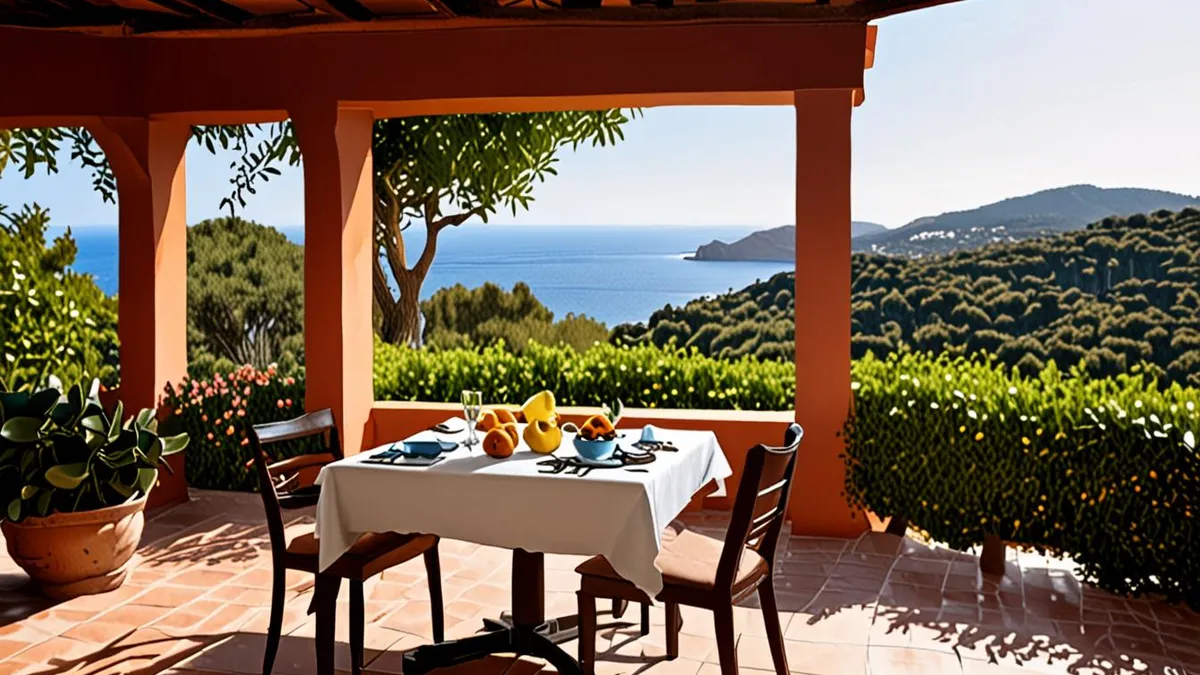
Mallorca is a compact island, but its regions feel surprisingly different, and your choice shapes the whole holiday. The southwest, around Port d’Andratx and Santa Ponsa, suits travelers who want marina glamour: yacht-lined harbors, upscale restaurants and some of the shortest transfers from Palma airport. It’s a polished, sociable corner of the island.
Mountains and coves in the Tramuntana
The Tramuntana foothills around Deià, Sóller and Pollença deliver the island’s most dramatic scenery, where stone villages sit between mountains and sea. These areas lie roughly 30-60 minutes from the airport, and villas here often come with terraced olive groves and serious views. It’s the pick for travelers who want atmosphere and hiking on the doorstep.
Quieter corners: southeast and north
The southeast, around Santanyí and Porto Cristo, is where you’ll find quieter coves, rural fincas and a slower pace of life. Days revolve around small beaches, local markets and long lunches, rather than marina buzz.
The north, around Alcúdia and Pollença bay, works especially well for families. The beaches here are shallow and gently shelving, so children can paddle safely, and there’s plenty of infrastructure, from supermarkets to water sports, within easy reach. Match the region to your group and the rest of the planning falls into place.
What’s Typically Included in a Mallorcan Villa
One of the best things about booking a villa in Mallorca is knowing exactly what you’re getting before you arrive. In the mid- to high-end tier, a private pool, air conditioning in the bedrooms and a fully equipped kitchen are standard rather than luxuries. That means you can expect proper ovens, dishwashers, coffee machines and enough tableware for your whole group, not a stripped-back holiday apartment setup.
Housekeeping is where villas differ most. At the more affordable end, you’ll typically get a mid-stay clean with fresh towels and linen. Move up the price scale and daily service becomes common, sometimes with the same housekeeper who gets to know your routine. Always confirm what’s included, as extra cleans can usually be arranged for a fee.
Beyond the basics, many owners add thoughtful touches. Welcome hampers with local wine, olive oil or ensaïmadas are a popular gesture, and reliable Wi-Fi is now expected even in rural fincas. Pool heating is the one to watch: it’s often a paid extra outside the summer months, so ask early if you’re traveling in cooler weather.
Concierge services are increasingly common at the top end of the market. Even if they’re not included, most agencies can arrange them on request. Typical add-ons include:
- A private chef for a paella night or a full multi-course dinner, with shopping and cleanup handled for you
- Boat days, from skippered catamaran trips along the southwest coast to small motorboats you can captain yourself with the right license
- In-villa spa treatments such as massages by the pool or yoga sessions on the terrace at sunrise
- Grocery pre-stocking, so the fridge is full when you walk in after your flight
Getting There and Getting Around
Nearly every villa trip to Mallorca starts at Palma de Mallorca airport, the island’s main gateway. It handles a huge volume of international traffic in summer, so expect busy terminals and longer queues at baggage reclaim on peak Saturdays. The upside is that the airport is well connected to every corner of the island, so even a remote finca in the southeast feels manageable on arrival day.
Direct flights from major European cities run frequently from April through October, with reduced schedules over winter. If you’re traveling in high season, book flights and villa together as early as you can, since both fill up months in advance. Winter visitors should double-check schedules too, as some routes operate only a few times a week in the quieter months.
Do you need a hire car?
In most cases, yes. A hire car is near-essential if you’re staying at a rural finca, where shops, beaches and restaurants are rarely walkable. Even in coastal towns, you’ll want wheels for supermarket runs and day trips to coves. In peak season, reserve your car at the same time as the villa, because the best-value vehicles sell out early and last-minute rates climb sharply. Book a size that fits your group and luggage comfortably, and consider a smaller model if your villa has a tight driveway.
Timing your transfer
Plan for slow roads on summer Saturdays. That’s when changeover traffic peaks, with departing and arriving guests converging on the same coastal routes. Leaving the airport later than planned can save you a lot of queuing, and it’s worth letting your villa host or agency know your expected arrival time so the key handover goes smoothly. Many agencies offer meet-and-greet at the property or can arrange a local contact if your flight is delayed, so confirm these details before you fly.
Practical Checks Before You Confirm
A villa can look flawless in the photos and still disappoint on the details, so a few targeted questions before you pay the deposit will save you headaches later. Good agencies answer these quickly and honestly; evasive answers are themselves useful information, and how a company responds before booking often predicts how it handles problems once you’ve arrived.
Start with sleeping arrangements. Some villas quote a headline capacity that counts sofa beds, which rarely suit adults for a full week, especially if two of you are sharing a living room with the rest of the party. Then think about the season you’re traveling in, the money you’ve committed and the setting itself. A villa that suits a July group of eight can feel exposed and quiet in October. These are the checks we’d never skip:
- Ask for a room-by-room breakdown, so you know whether the “four bedrooms” include a converted annex or a sofa bed in the lounge
- Request the pool heating cost in writing if you’re traveling in May, early June or October, when evenings cool to around 15-18°C and an unheated pool can feel chilly
- Map the cancellation and refund terms against the deposit and balance schedule, so you know exactly what you’d lose if you pulled out after the balance was paid
- Check the villa’s position on a map rather than trusting the listing, since “near the beach” can mean a five-minute stroll or a drive down a winding road
- Ask directly about neighboring properties, nearby roads and whether the villa is genuinely standalone or part of a small resort with shared facilities
It also pays to read recent guest reviews specifically, not just the overall score. Look for comments about noise, water pressure, Wi-Fi reliability and how well the property matched its photos. Reviews from the same month you plan to travel are especially revealing, since they reflect the conditions you’ll actually face. Owners and agencies that respond openly to critical reviews tend to be the ones that look after guests during the stay too.
Ready to Book Your Mallorcan Villa
Booking a villa in Mallorca comes down to three things: timing, region and knowing exactly what’s included. Once you understand how the seasons shape prices and availability, the whole process feels far less daunting. High season in July and August brings peak heat, peak crowds and peak rates, while shoulder season in May, early June, September and October delivers the best balance of price, weather and availability.
With lead times, deposit schedules and a few practical checks now covered, you can reserve with confidence rather than guesswork. Compare a few regions, confirm what your villa includes, and you’ll be ready to commit to the right place at the right price. If you’ve stayed in a Mallorcan villa before, share your experience in the comments or pass this article along to a friend planning the same trip.