You have a week of holiday, a set budget and a decision you keep putting off: should you book the sand or the slopes? The beach resort vs mountain resort question trips up a lot of travelers, because both promise an escape but deliver very different days. One gives you saltwater and slow mornings; the other gives you thin, crisp air and trails that start at your door.
This guide breaks the choice down piece by piece. We compare what each resort type is actually built around, when each is in season, which activities and trip styles fit best, what you can expect to pay and how far ahead to book. Then we match traveler types to destinations and finish with a simple three-step way to decide. By the end, your week off will point clearly to one winner.
Beach Resort vs Mountain Resort: The Core Difference
The easiest way to see the difference between these two resort types is to look at what each one is built around. Beach resorts center on water. Your days naturally fill with swimming, snorkeling, paddleboarding and long sunset walks along the shore, all set to a slower, sun-soaked rhythm where the biggest decision is often which lounger to claim.
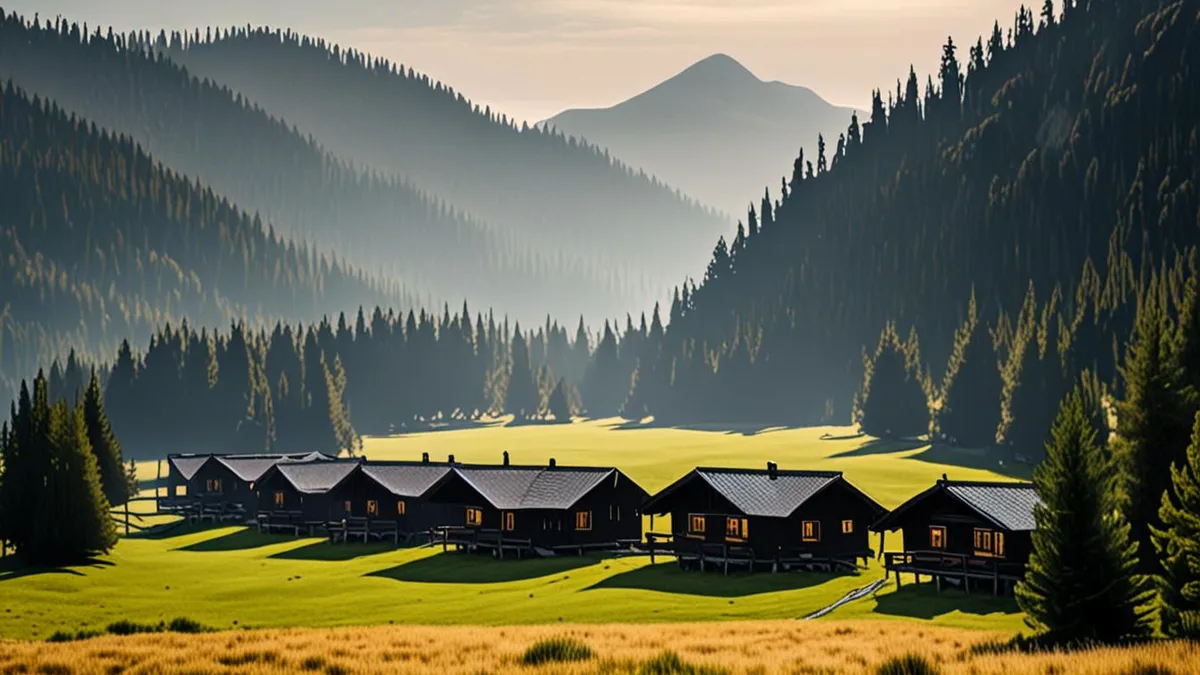
Mountain resorts center on terrain. The landscape itself is the attraction: hiking trails in summer, ski runs in winter, and that noticeably thinner, cooler air you only get at elevation. The scenery is dramatic and it changes with the seasons, so the same resort can feel like two completely different trips depending on when you visit.
What this means for your suitcase
Beach trips lean toward relaxation and minimal packing. Swimsuit, sandals, sunscreen and a couple of light outfits cover most of a week, and dress codes at beach resorts tend to be forgiving. If you like traveling with a carry-on and spending less time preparing and more time unwinding, the beach has the edge.
Mountain trips lean toward activity and layered gear. You will want proper footwear, a rain shell, warm mid-layers even in summer, and room in your bag for equipment if you plan to ski or hike seriously. Temperatures at elevation can swing a lot between morning and midday, so packing in layers is not optional. If the thought of packing light sounds like half the holiday, that is already a clue about which side you belong on.
Climate and the Best Time to Go
Timing changes everything in the beach resort vs mountain resort decision, because each type has a distinct high season that shapes both the experience and the price you will pay. Tropical beach destinations are at their best from December to April, when rainfall is lower, humidity feels more manageable and the sea is warm and calm enough for long swims and snorkeling. Mediterranean beaches peak in June to August, when the water is at its warmest, beach clubs are in full swing and the evenings stay warm enough for dinner outdoors.
Mountain resorts also have two peaks: June to September, when trails are snow-free, wildflowers are out and the air feels crisp rather than cold, and December to March, when snow sports take over and the villages fill with skiers. Altitude matters year-round, too. Resorts sitting at 1,500 to 3,000 meters run 5-25°C cooler than sea-level beaches, so even a summer mountain trip calls for layers you would never pack for the coast. That temperature gap is exactly why some travelers head uphill in July while others head for the sand.
- Shoulder months are the value sweet spot. May and October often cut rates 30-50% at both destination types while still offering decent weather, fewer crowds and easier restaurant bookings.
- Check sea temperatures before booking a beach. A tropical resort in its dry season still delivers warm swimming, while some Mediterranean beaches in spring look sunny but the water can be too cool for long swims.
- Snow reliability varies by elevation. Higher mountain resorts typically hold their snow cover longer through the winter season, so if skiing is your priority, favor the higher villages and check snow reports before you commit.
Activities and Trip Style
Your ideal trip style settles most beach resort vs mountain resort debates faster than any price comparison. Beach stays suit travelers who want water sports in the morning, spa time in the afternoon and genuinely low-effort days by the pool. There is no schedule to keep, no summit to reach, and the resort itself usually provides most of the entertainment.
Mountain stays suit hikers, skiers and travelers who want structured daily excursions. Days tend to be planned around trailheads, lift schedules or guided tours, and there is a satisfying tiredness at the end of each one. If you like your holidays to come with a sense of accomplishment, the mountains deliver it daily.
Wellness and family considerations
Wellness-focused travelers often find mountain air and forest settings ideal for a digital detox. The cooler climate, quiet trails and spa traditions built around alpine nature make mountain resorts a natural fit for retreat-style stays, and you can get a feel for what that looks like in this Sri Lanka wellness resort experience.
Families with young children usually find beach resorts the easier logistics call. Flat terrain means strollers actually work, shallow entry water lets toddlers splash safely under supervision, and most established beach resorts run kids’ clubs and family pools. On a mountain, the same trip requires more gear, more planning and more attention to altitude and weather, which can be a lot to manage with small children in tow.
Cost Comparison and Booking Lead Times
Price is often the deciding factor, and here the two destination types start surprisingly close. Beach resorts typically charge around $150-600 per night in high season, while mountain resorts in peak ski weeks run roughly $180-700. In other words, a top-tier room in either setting can cost about the same once the calendar turns busy.
The real savings come from timing. A mountain resort in summer usually costs 20-40% less than it does during ski season, which mirrors the shoulder-season discounts you find at beaches outside their peak months. If your dates are flexible, shifting your trip by a few weeks can cut a significant chunk off the bill at either type of resort.
Booking lead times differ more than prices
Mountain trips generally demand more advance planning. Ski lodges for December to March often need to be reserved 6-9 months ahead, especially for the weeks around the holidays. Beach resorts in high season are more forgiving, with a 3-6 month lead time usually enough for a good selection, though popular islands still fill early.
Also compare what the nightly rate actually includes. All-inclusive beach packages can cap your costs, bundling meals and drinks into one price. Mountain trips tend to add extras on top of the room: lift tickets, equipment rental or guided hikes, so budget for those before you book and check current rates with the resort directly.
Who Should Choose Which
If your trip is short, the beach usually wins. On a getaway of under five days, you want to spend your time relaxing, not planning hikes or adjusting to altitude. A beach resort lets you unpack, switch off and be poolside within an hour of check-in.
Winter travelers coming from a cold home city should also lean beach. Trading gray skies and freezing temperatures for sunshine and warm water is one of the most reliable mood boosts in travel. A mountain resort in winter can be beautiful, but it still means snow, boots and heavy layers rather than an escape from them.
Choose a mountain resort when you want conditions you simply cannot find at sea level. The cooler air at altitude is a genuine draw in summer, especially if your home city turns into a heat trap. Mountain trips also reward travelers who like a physical challenge or who chase scenic photography: think alpine lakes, misty valleys and trailhead views that change with the light.
Traveler type matters too. Honeymooners and divers naturally skew beach, thanks to romantic settings and easy access to reefs. Adventure seekers and travelers who want a mix of culture and nature tend to skew mountain, where villages, monasteries or old towns often sit within day-trip distance of the trails.
Mixed groups do not have to pick a side. Some coastal mountain destinations offer both terrains in one trip, so part of the group can swim in the morning while others hike in the afternoon. Look for resorts near a coastline that also sits at the base of hills or low mountains, and check with your operator about what excursions are available locally.
- Short winter breaks: if you only have a long weekend in the cold months, a beach resort maximizes daylight and outdoor time without any acclimatization.
- Photographers: mountain resorts give you layered landscapes, fog at dawn and golden-hour light on ridgelines, while beaches deliver sunsets and reflections on water.
- Divers: a beach resort puts dive shops and boat trips within minutes, whereas a mountain stay usually means committing a full day just to reach water.
- Group planners: coastal mountain areas let you book one property for everyone while still offering separate activities, which reduces the usual compromise of mixed-group travel.
How to Decide in Three Steps
Choosing between a beach and a mountain resort feels complicated until you break it down. In practice, three quick decisions settle almost every case, and none of them require hours of research. Work through them in order, because each one narrows the field for the next.
- Fix your travel month first. Your dates instantly tell you which destination type is in season. A January trip points you toward tropical beaches or ski slopes, while a July getaway favors Mediterranean coasts or summer mountain stays. Once the month is locked, half the options disappear and the comparison becomes much simpler.
- Set a nightly budget and match it to the rate ranges. Decide what you can comfortably spend per night before you fall in love with a property. Then check whether your travel month falls in high season or shoulder season. If your dates are flexible, shifting into May or October can trim rates by 30-50% at beach resorts, and summer mountain stays run 20-40% cheaper than peak ski weeks. A shoulder-month budget often buys a better room than a high-season one.
- List your top three must-do activities and match them. Write down the three things that would make the trip feel complete, whether that is diving, spa days, skiing or sunrise photography. Pick the resort type that covers at least two of them. If neither option reaches two, consider a coastal mountain destination that blends both terrains.
Run through these steps with a calendar, a number and a short list, and the answer usually reveals itself within minutes. The resort type that fits your month, your budget and your activity list is almost always the right one, even when it is not the one you originally imagined.
The Bottom Line
So which one wins for your week off? There is no universal answer, only the right answer for your dates, budget and activity list. Beach resorts take the crown for relaxation, winter sun and easy logistics, while mountain resorts deliver cool air, scenery and days packed with activity. Match your travel month to the season, set your nightly budget, and check it against your top three must-do activities.
If your dates are flexible, aim for the shoulder months of May and October, when both beach and mountain destinations often deliver the best balance of lower prices and good conditions. Wherever you land, the trip you plan around your own priorities will beat any rule of thumb. Still torn between sand and summit? Tell us your pick in the comments or share this article with a travel partner.